
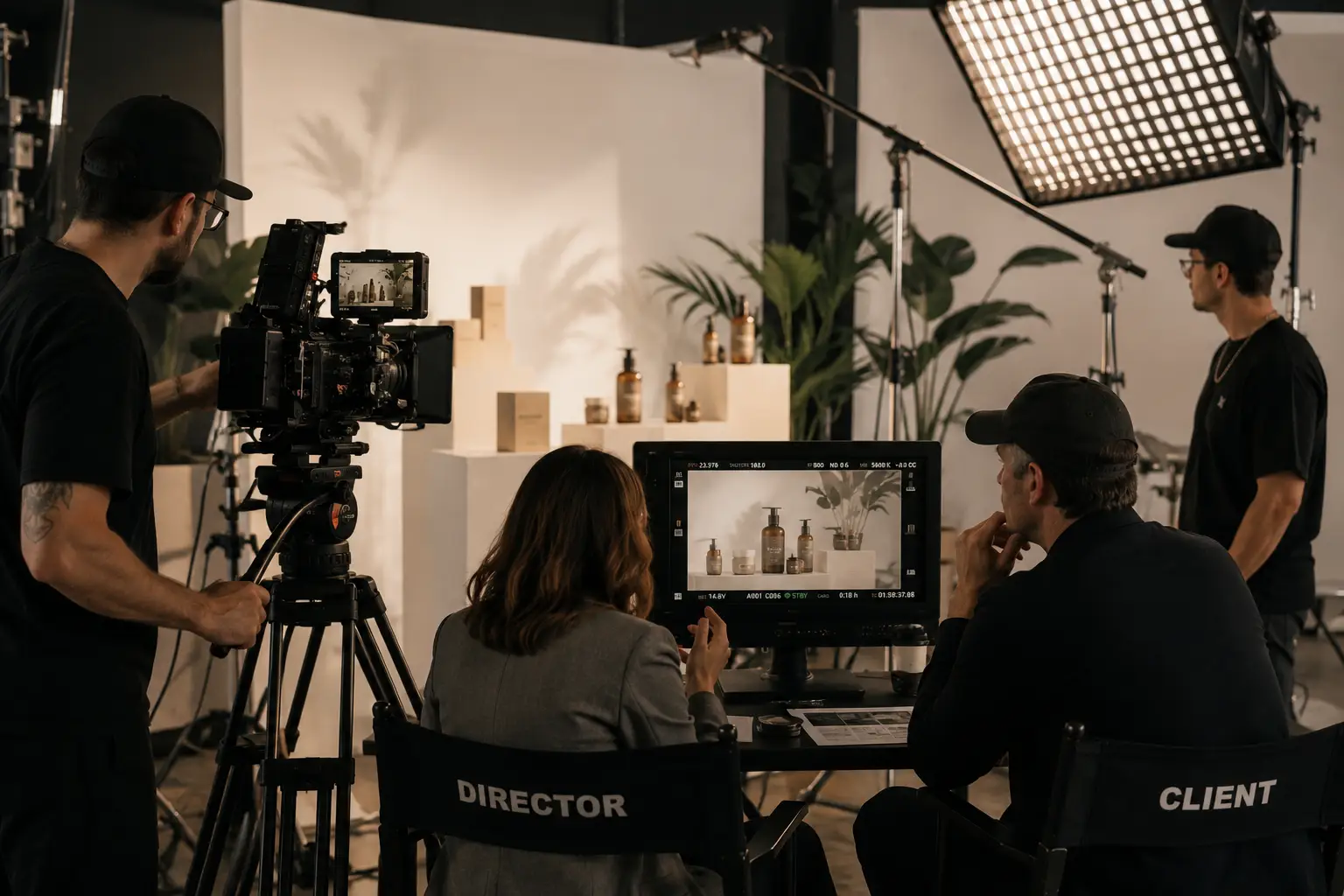
“We need a corporate video” is one of the most common briefs a production company receives, and one of the least specific. Corporate video covers everything from a 90-second company overview on your homepage to a 10-minute investor presentation, from an internal training module to a product launch reel for a trade show. Each type has a different audience, a different goal, and a different production approach.
Choosing the wrong format wastes the production budget and, more importantly, fails to move the audience you intended to reach. A brand film is not a company overview. A testimonial video is not a product demo. Understanding what each format is actually for is the starting point of any useful corporate video strategy.
AD.JUST Production, a Los Angeles video production agency, produces corporate video across all of these formats for brands ranging from e-commerce startups to enterprise teams. Here is how to match the right format to your business goal.
1. Company Overview Video
A company overview video is the foundational corporate content piece. It goes on your homepage, your LinkedIn company page, and your pitch decks. Its job is to answer the question “Who are you and what do you do?” in 90 to 120 seconds for a viewer who has never encountered your brand before.
What makes a company overview work:
- A clear statement of what the company does in the first 15 seconds
- The problem you solve, not just the service you sell
- A brief view of your team, process, or proof of delivery
- A call to action that sends the viewer somewhere specific
Company overview videos are often over-produced and under-deployed. Brands spend production budget on a polished 3-minute piece that tries to say everything, then discover viewers drop off after 60 seconds. Keep it under 90 seconds. Prioritize clarity over comprehensiveness.
2. Brand Film
A brand film is a longer storytelling piece, typically 2 to 5 minutes, focused not on what the company does but on why the company exists. Brand films work best for companies with a clear mission and a story that resonates emotionally with a defined audience.
Brand films are not product commercials. They do not ask for a direct action from the viewer. Their job is to build brand equity: the kind that makes a potential customer, investor, or partner feel connected to the company before any transaction takes place.
This format is appropriate when your brand has a clear point of view that genuinely differentiates it, when you are targeting a customer whose decision is influenced by brand values, and when you are investing in brand awareness over a longer horizon.

3. Product or Service Demo Video
A product demo video shows your product or service in action. The goal is to demonstrate how it works, who it is for, and what problem it solves in enough visual detail that the viewer understands the value before reading a word of copy.
For SaaS companies, this means a screen-recorded walkthrough with a voiceover explaining the workflow. For physical product companies, it means a close-up demonstration of the product being used.
Product demo videos are high-converting content for mid-funnel buyers who already know they have a problem and are evaluating solutions. For e-commerce brands, this category overlaps with e-commerce product video production: the videos that live on Amazon listings, DTC product pages, and paid social campaigns.
4. Testimonial and Case Study Video
A testimonial video features a real customer explaining the outcome they achieved with your product or service. Done well, it is the most persuasive content type in corporate video because it replaces your claims with your client’s evidence.
The format that converts is specific: a named person, a concrete before-and-after, and a result the viewer can picture happening for them. “Our conversion rate increased by 34% after switching to this product” is a testimonial. “We’ve been very happy with the service” is not.
Case study video goes deeper. It tells the story of a client engagement from initial challenge through implementation to measurable outcome. This format works best for B2B companies with complex sales cycles where trust and proof are the primary conversion drivers.
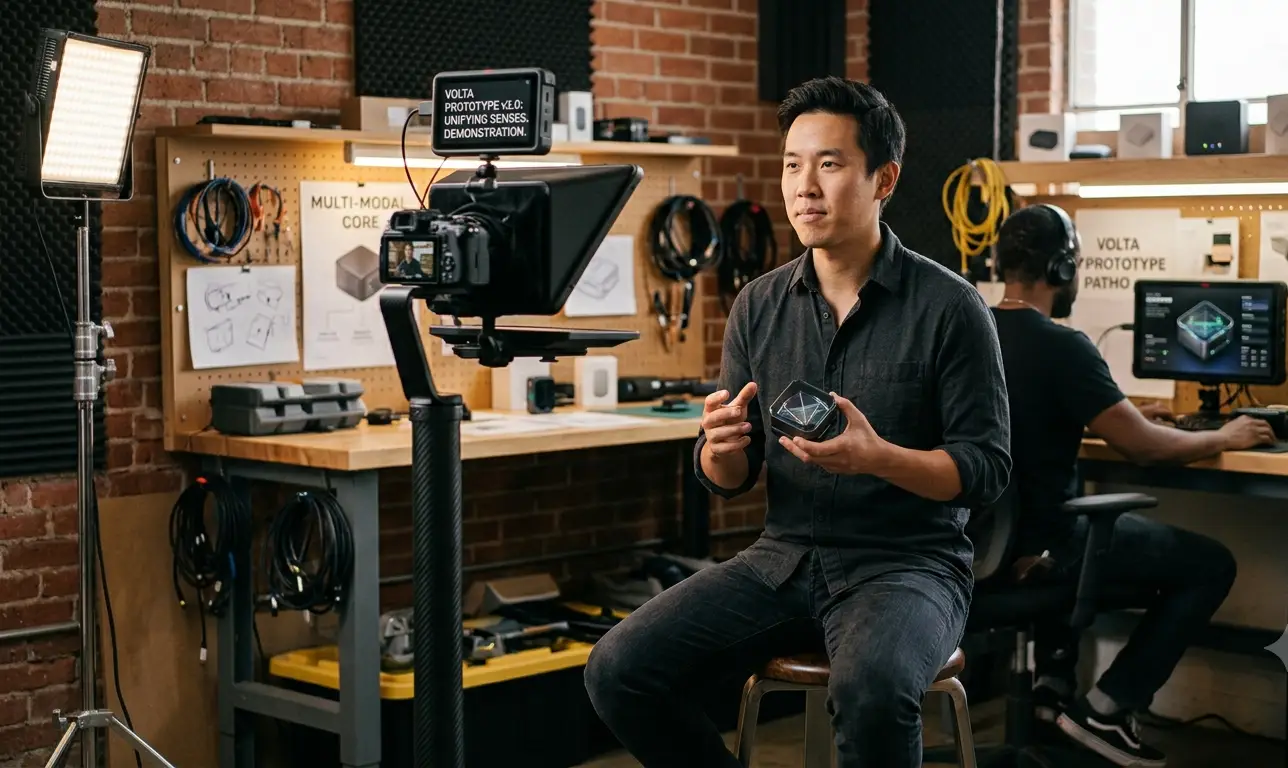
5. Corporate Training and Internal Communication Video
Internal video is the category most companies underinvest in. Training videos, onboarding content, safety protocols, process documentation, and internal communication from leadership teams all benefit from video format because they are faster to consume, more engaging than written documentation, and more consistent across large or distributed teams.
According to Wyzowl’s 2024 State of Video Marketing report, companies using video for employee training and internal communication report faster onboarding and higher information retention compared to text-only equivalents.
6. Recruitment and Culture Video
Recruitment video is aimed at potential employees, not customers. Its job is to make the right candidate say “that is the kind of place I want to work” and to make the wrong candidate self-select out before applying.
An effective recruitment video shows the actual people, environment, and culture of the company rather than aspirational language about values. Stock footage and scripted company-speak undermine exactly the authenticity a candidate is looking for.
7. Event Coverage and Recap Video
Event video serves both internal and external audiences. An event recap captures the energy of a conference, product launch, or company milestone and turns it into content that reaches people who were not there: potential partners, press, customers, and future attendees.
For B2B companies, event recap video is one of the most underutilized assets in the content mix. It extends the lifespan of an event investment and supports future registration and sponsorship conversations.
Frequently Asked Questions
What is the most common type of corporate video?
Company overview video is the most commonly produced corporate video format. It is the foundational content piece that answers who you are and what you do for new visitors and prospects.
How long should a corporate video be?
Length depends on the type and where the video lives. Company overview videos perform best at 60 to 90 seconds. Brand films typically run 2 to 5 minutes. Product demos are usually 60 to 120 seconds for web use.
How much does corporate video production cost in Los Angeles?
Corporate video production costs in Los Angeles vary significantly based on type, crew size, location, talent, and post-production complexity. A professional company overview can range from $3,000 to $15,000 for a single-day production with a straightforward edit.
Can a video production company in LA handle multiple corporate video types in one project?
Yes. A full-service production company can plan and execute multiple video types across a single shoot day or a coordinated multi-day shoot, reducing per-video cost and maintaining visual consistency across all deliverables.
Start With the Goal, Then Choose the Format
The most effective corporate video is the one that matches the specific audience decision it is designed to support. Define the goal first, then match the format to it.
AD.JUST Production is a Los Angeles video production company handling the full range of corporate video formats. Every project starts with a structured pre-production brief. If you are planning a corporate video production project, get in touch to discuss which format fits your goal and your timeline.