
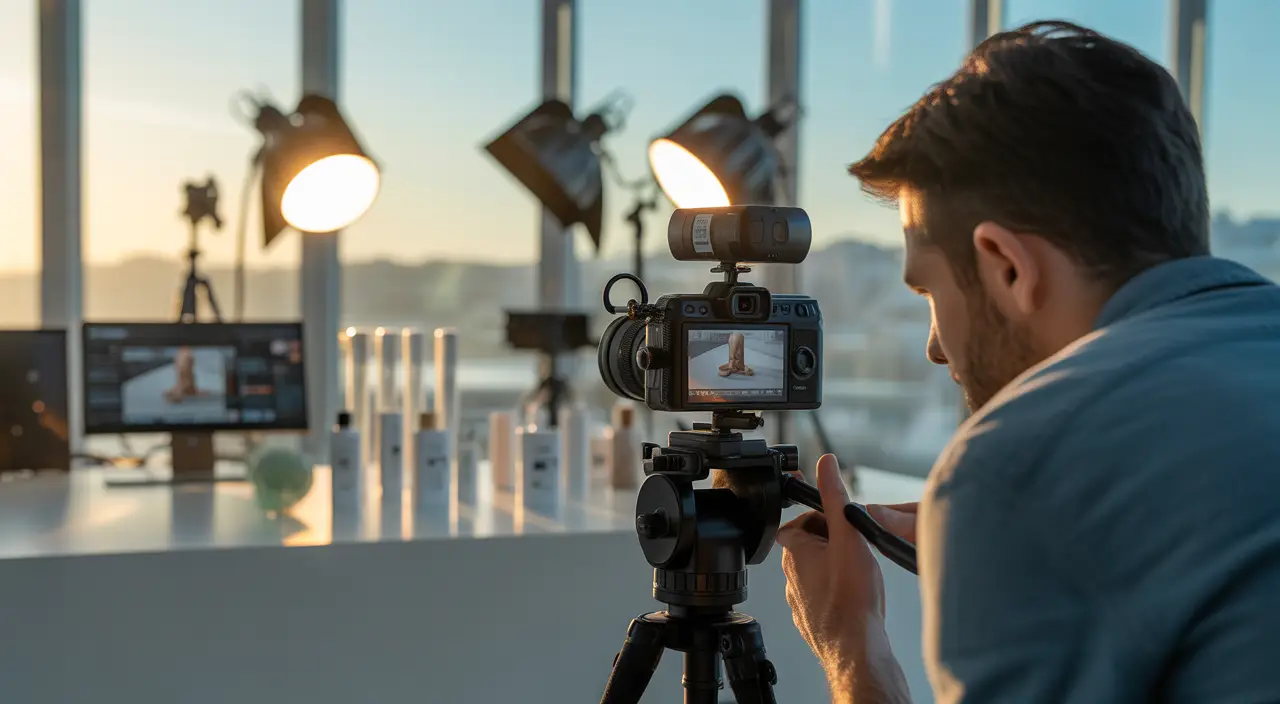
When you’re planning a product video, one of the first decisions comes down to the set: white background or lifestyle environment. Both work. Both have a specific job. Choosing the wrong one for the wrong context doesn’t just look off — it can cost you clicks on Amazon, engagement on social media, or trust from a buyer who needed to see the product in context before adding to cart.
The short answer is that white background and lifestyle settings serve different stages of the buying journey. Understanding which one to use and when to combine them is one of the fastest ways to improve the return on your video investment.
AD.JUST Production, a Los Angeles video production agency specializing in e-commerce and Amazon product videos, handles both setups regularly. Here is how to decide which one your campaign actually needs.

1. What a White Background Product Video Does
A white background video isolates your product. The viewer’s attention goes entirely to the item: its shape, finish, function, and packaging. Nothing competes.
This setup is the standard for Amazon’s main listing image requirements, which specify a pure white background (RGB 255, 255, 255) for the primary product image. While Amazon allows lifestyle images in secondary positions, the clean studio setup communicates that you have invested in professional presentation, which is a quality signal to shoppers comparing multiple options.
White background videos work best when:
- You’re presenting a product for the first time and need to establish what it is clearly
- The design, finish, or detail of the product is a major selling point
- The platform requires it (Amazon main image, Google Shopping, retail product feeds)
- You’re creating content for a DTC product page where the customer evaluates the product against specific specs
The tradeoff is context. A white background video shows what the product is but rarely shows why someone would want it in their life.
2. What a Lifestyle Setting Does
A lifestyle video places the product in a scene: a kitchen, a gym, an outdoor setting, or a person’s hands using it. The goal is not technical presentation but emotional connection.
According to Wyzowl’s 2024 State of Video Marketing report, 89% of consumers say watching a brand’s video convinced them to make a purchase. Lifestyle video is the format most aligned with that decision trigger because it answers the unspoken question: how does this fit into my life?
For e-commerce brands, lifestyle videos perform strongest in:
- Instagram and TikTok paid ads where scroll-stopping visuals outperform flat product shots
- Amazon A+ Content and Brand Story sections where you have already won the click and now need to convert
- Email campaigns and landing pages targeting warm audiences
- YouTube pre-roll ads and Shopify product pages targeting mid-to-bottom funnel visitors
The tradeoff is specificity. A beautifully shot lifestyle video that does not show the product clearly can leave buyers uncertain about size, texture, or key features. Lifestyle and specification content should ideally work together.
3. How Amazon Sellers Should Think About This
Amazon sellers need both formats. This is not a stylistic preference: it is platform strategy.
Amazon’s image and video guidelines require a pure white or light background for the main product image. But the listing does not stop there. A+ Content, brand video, and secondary image slots all support lifestyle content. Brands that only invest in white background assets leave conversion opportunity on the table in exactly the areas where Amazon allows differentiation.
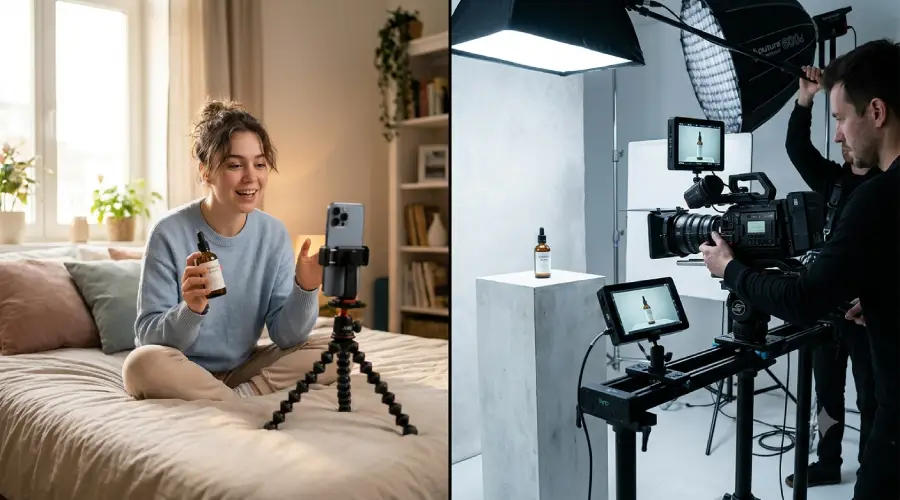
For Amazon product video specifically, a format that consistently performs well is a hybrid approach: the video opens with a clean studio sequence showing the product clearly, then transitions to lifestyle footage showing the product in use. This structure satisfies the viewer who wants to assess the product and the viewer who needs to see it in context, in the same asset.
AD.JUST Production builds this structure into most Amazon product video campaigns. The first 5 to 8 seconds establish the product clearly. What follows connects it to a scenario the target buyer recognizes.
4. Platform-by-Platform Breakdown
Where your video lives should drive the format decision.
Amazon Listings
Lead with white background or clean studio for the main image. Use lifestyle in A+ Content and the secondary video slot.
Instagram and TikTok
Lifestyle-first. Scroll behavior on both platforms rewards visual context over flat product presentation. Hook the viewer in the first 3 seconds with the product in use.
YouTube Ads
Lifestyle performs better for brand awareness campaigns. White background or hybrid works for remarketing to audiences already familiar with the product.
Google Shopping and Retail Feeds
White background or minimal set. Clean, clear, and simple is the standard expectation for these surfaces.
Your Own Product Page
A combination works best. White background at the top of the page for product evaluation, lifestyle content lower down for emotional reinforcement before the add-to-cart decision.
5. Budget Considerations for Each Setup
White background video shoots are generally faster and more controlled than lifestyle shoots. You are working in a studio environment with consistent lighting and no location variables. For a brand with a limited budget that needs efficient, clean product content across a catalog, white background shoots offer more volume per shoot day.
Lifestyle shoots involve more logistics: location scouting or set design, talent or models, props and wardrobe, and additional coordination. The production cost per video is higher, but the asset typically performs better in competitive paid media environments where authenticity and context drive higher click-through rates.
For brands new to e-commerce video, a single shoot day that covers white background studio footage plus a short lifestyle sequence is a practical way to get both asset types without doubling the budget. This combined shoot structure is common at AD.JUST Production‘s Los Angeles studio.
6. Which Setup Builds Long-Term Content Value
White background assets have a longer shelf life. The product does not age in a controlled studio setting, and the footage is often usable across multiple years and platforms without looking outdated.
Lifestyle assets reflect the moment they were produced: the aesthetic, the talent, the setting. They need to feel current, which means refreshing them more regularly as campaign creative.
If you are building a content library from scratch, start with white background to establish the product catalog, then layer in lifestyle assets for specific campaigns and platforms. As the library grows, lifestyle clips can be repurposed across paid ads, email headers, social media video production content, and product page A/B tests.
A structured content plan matters more than any single setup decision. For brands working with e-commerce product video for the first time, mapping out what each asset is for before the shoot saves time in post-production and ensures you are not building a library of content with no clear deployment strategy.
Making the Decision
The decision between white background and lifestyle video is not a single choice. It is a deployment strategy. Both formats have a job, and the brands that win on Amazon, Instagram, and their own product pages use them together with intention. Start with the platform and the buyer’s mindset at that touchpoint, then work backward to the format.
AD.JUST Production is a Los Angeles video production company specializing in e-commerce product videos, Amazon listing content, and social media video campaigns for brands that need both formats working together. Get in touch to discuss your next video project at adjustproduction.com/video-production-quote/.