
A Kickstarter campaign without a video raises less money. That is not speculation. Kickstarter’s own creator resources make clear that campaigns with a project video are significantly more likely to reach their funding goals than campaigns without one.
But a video alone is not enough. A weak Kickstarter video can actually hurt your campaign by communicating the wrong things about your product or your credibility as a founder. The five elements below are what separate Kickstarter videos that convert backers from ones that leave potential supporters scrolling past.
AD.JUST Production has produced Kickstarter campaign videos for product founders and teams in the consumer product, tech, and lifestyle categories. These are the elements we confirm are in place before any campaign video is considered ready to launch.
1. A Clear Problem Statement in the First 30 Seconds
Backers fund solutions to problems they recognize, not products they do not yet understand. Your video needs to establish the problem your product solves before it introduces the product. This is not a storytelling nicety. It is a functional requirement.
A product that opens with features, pricing, or a founder monologue loses the viewer before they have a reason to care. A video that opens with a problem the backer has personally felt creates immediate identification. Now the product is the answer to something they want solved.
The problem statement does not need to be long. Fifteen to twenty seconds is enough if it is specific. The more precisely you describe the frustration, the more the right viewer will feel seen. Vague problem statements produce vague interest.
2. A Real Person on Camera
Kickstarter backers are not buying a product from a company. They are funding a person or a team with an idea. The human element is what separates a crowdfunding campaign from a retail listing.
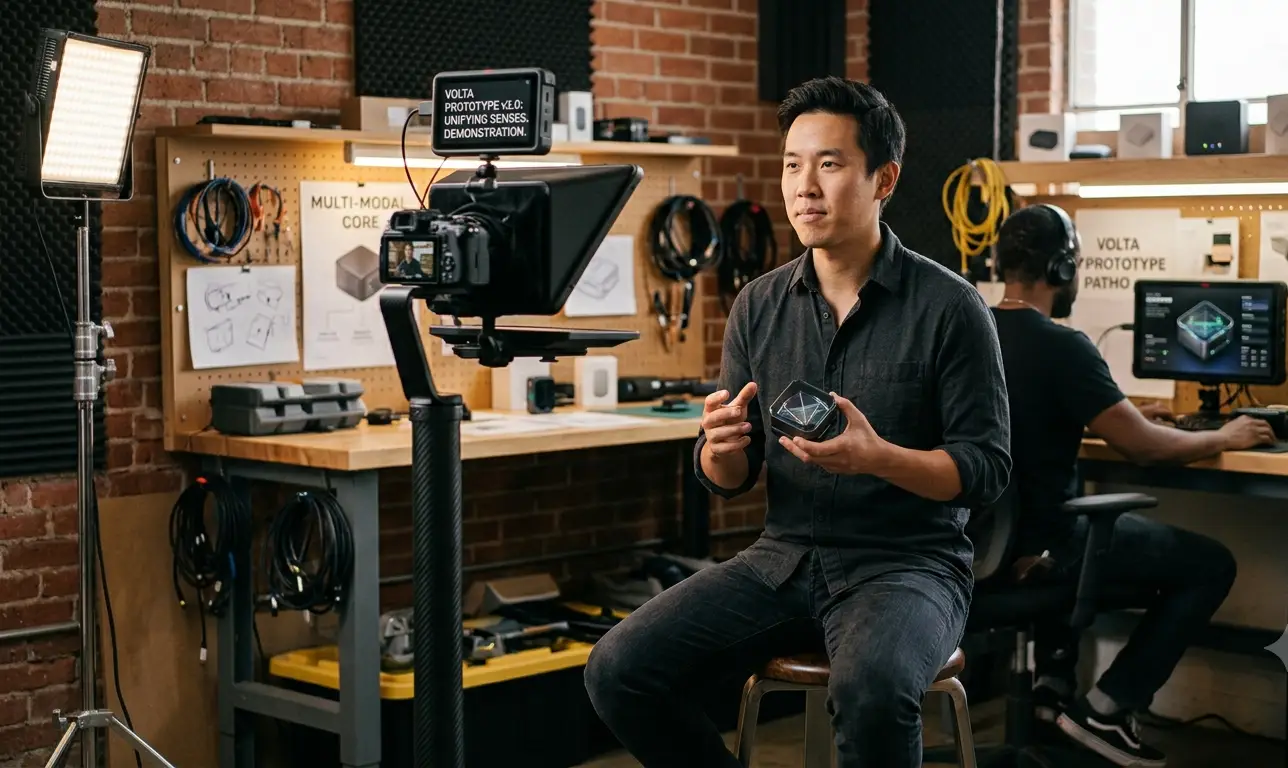
Your video needs at least one founder or team member speaking directly to camera, not narrating over B-roll. This does not require a polished performer. It requires an authentic person who believes in the product and can explain why they built it. Backers fund people as much as products, and they cannot fund someone they have not seen.
If your team is not comfortable on camera, a simple talking-head segment filmed with proper lighting and clean audio is better than no founder presence at all. The production does not need to be cinematic. It needs to be honest.
3. A Working Product Demonstration
The most common reason Kickstarter campaigns fail to build backer confidence is that the video does not show the product actually working. Renders, mockups, and concept animations are useful for early-stage fundraising, but they do not tell a backer that this product exists and functions as described.
Show the product being used by a real person solving the problem you established in the opening. The demonstration does not need to cover every feature. It needs to answer the question every backer is asking: does this thing work?
If you are in a pre-production phase and the final product is not ready, a functional prototype shown honestly is better than a render presented as if it were the finished product. Backers are sophisticated. They can spot the difference, and they will back a transparent founder with a real prototype over a polished render with no proof of concept. The LeShuffler Kickstarter campaign is an example of this approach done well.
AD.JUST Production’s Kickstarter video production process includes a product review and demonstration planning session before the shoot, specifically to ensure the working demonstration is captured in a way that is clear, convincing, and true to what the product will be.
4. The Numbers, Explained Clearly
Backers want to know what their money is for. A Kickstarter campaign video that never explains the funding goal, what the funds will be used for, or when the product will ship leaves backers without the basic information they need to make a decision.
This does not require an investor-level breakdown. A single clear statement is enough: ‘We are raising $50,000 to fund our first production run, with delivery estimated in Q2 2027.’ That tells the backer what they are funding, confirms the product is heading to manufacturing, and sets a timeline expectation.
If your campaign has multiple tiers or stretch goals, a brief on-screen graphic showing the tier structure is more effective than a verbal description. Keep it simple. Backers who are interested in the details will read the campaign page. The video needs to make the ask feel credible and specific.
5. A Direct, Specific Call to Action
Every Kickstarter video ends the same way: with the call to action. But most end vaguely. ‘Back us today’ or ‘Support our campaign’ leaves the viewer knowing they should do something without knowing what that thing is or why they should do it now.
A strong Kickstarter video CTA is specific and time-aware. It names the early backer benefit if one exists, confirms the campaign end date or scarcity element if relevant, and tells the viewer exactly what to do next. ‘Click the back button to claim your early bird price of $79, available for the first 200 backers only’ is a CTA that converts. ‘Back us today’ is not.
The CTA should appear as on-screen text as well as voiceover. Viewers who are watching without sound need to see the ask to act on it.
What a Kickstarter Video Should Feel Like
A strong Kickstarter video feels like a direct conversation between a founder and the person most likely to care about this product. It is not a commercial. It is not a corporate explainer. It is a pitch from someone who built something they believe in, asking for support from people who have felt the same problem.
That tone requires a combination of authentic founder presence and professional production. A video that looks amateurish undercuts credibility even if the product is excellent. A video that is so polished it feels impersonal loses the human element that makes crowdfunding work.
AD.JUST Production is a Los Angeles video production company that specializes in Kickstarter campaign videos and product launch content. The production process is designed for founder-led brands that need professional execution without losing the authentic, direct energy that makes crowdfunding campaigns fund. Contact AD.JUST Production to discuss your campaign before your launch date arrives.
Get Your Campaign Video Right Before You Go Live
A Kickstarter launch window is short, and a video that fails to convert in the first few days will not recover. The five elements above are the minimum for a video that earns backer trust and drives early momentum.
AD.JUST Production produces Kickstarter campaign videos in Los Angeles with a production process built around what funders need to see. Contact us to discuss your campaign timeline and what the production needs to include.